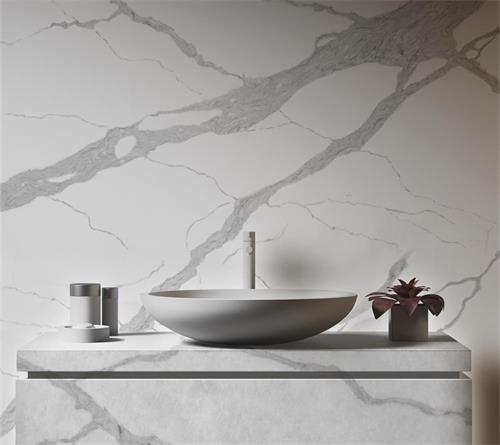
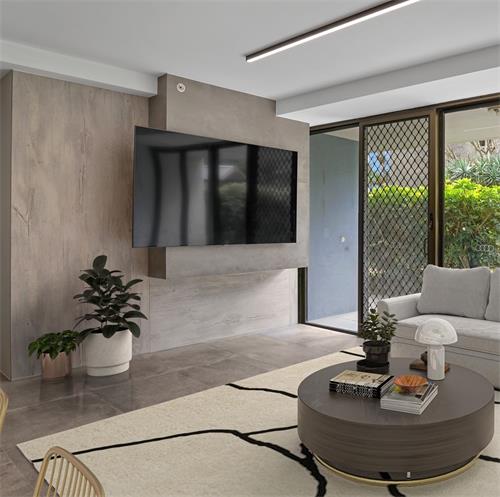
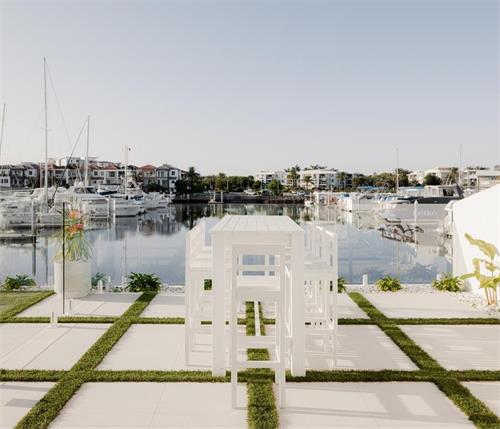
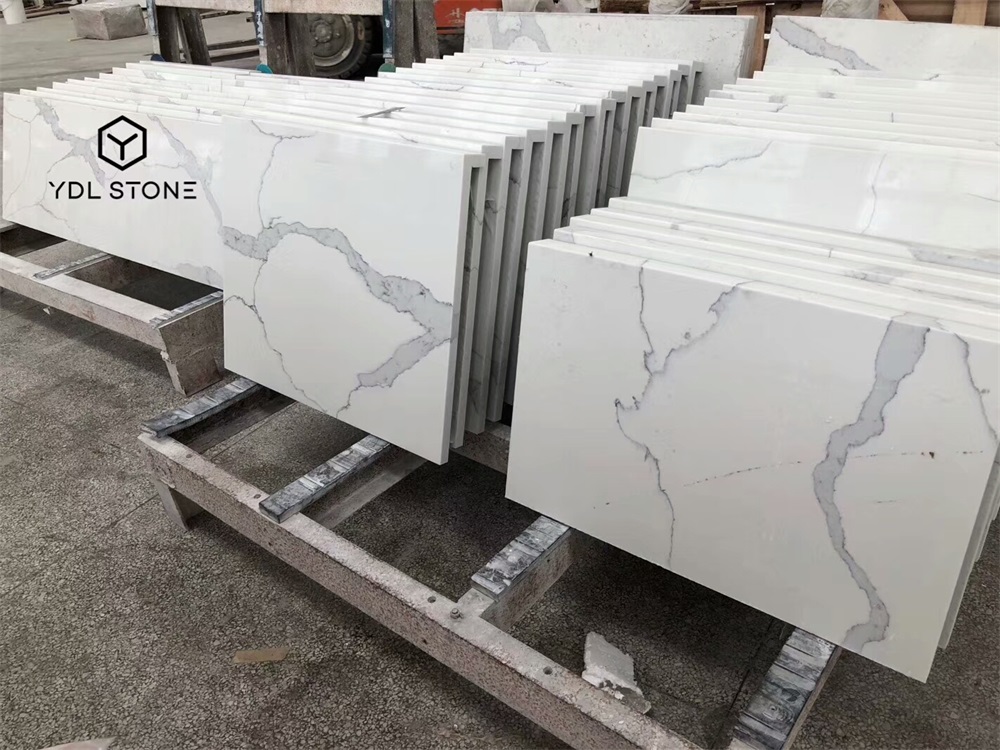









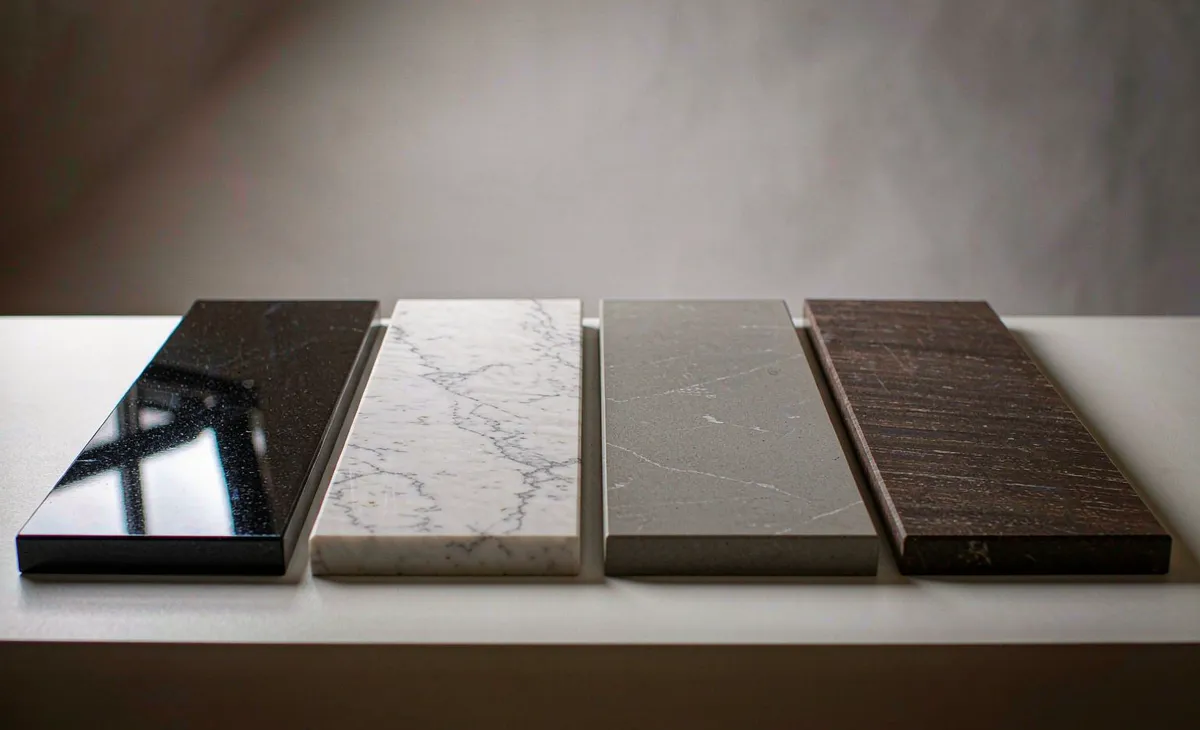
Two slabs cut from the same block can behave like different materials once the surface is finished. A polished dark granite becomes a mirror; the same stone honed reads as charcoal velvet and hides scratches the polished face would advertise. For importers, fabricators, and specifiers, finish is not a cosmetic afterthought — it decides slip resistance, how the surface ages under cleaning chemicals, and whether a project pays for repolishing in year five or year fifteen.
This guide compares the four finishes most often specified for block and slab supply — polished, honed, matte, and leathered — and explains where each one belongs.
A surface finish is a machining specification. It is produced by abrasive heads, brushes, or thermal treatment, and it changes:
Because of this, the same stone sold as "granite" or "quartz" can be a poor or excellent choice depending on the finish applied.
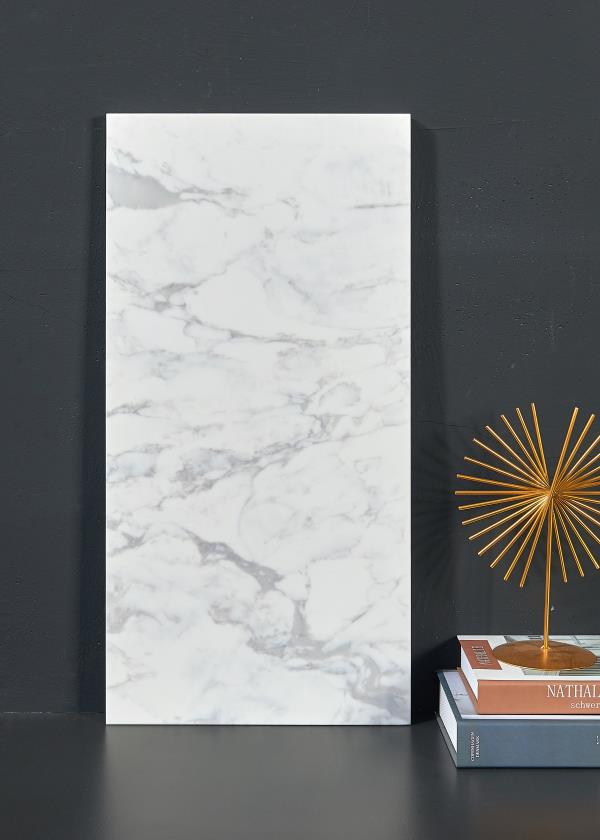
The default finish for countertops, vanities, and interior wall cladding. Multi-stage abrasive polishing drives the surface to a high gloss, typically in the 80–95 gloss unit range for granite and marble. Polished surfaces refract light, so colours read deeper and darker, and veining gains contrast.
Trade-offs: polished faces show scratches, scuffs, water spots, and fingerprints more readily than any other finish. On calcite-based stones such as marble, limestone, and travertine, polishing also makes acid etching obvious, because the dulled spot stands out against a mirror background.
Honed surfaces are ground with finer abrasives but no final polishing stage, producing a flat, satin appearance usually under 20 gloss units. Honing removes saw marks and delivers a uniform, low-sheen plane.
The practical advantage is forgiveness. Fine scratches and etch marks scatter light the same way a honed surface does, so damage blends in. Honed finishes are widely specified for marble floors, bathroom vanities, and any surface where an acid spill is a matter of when, not if. Dust and light water marks show less; oily fingerprints on dark honed stone show more.
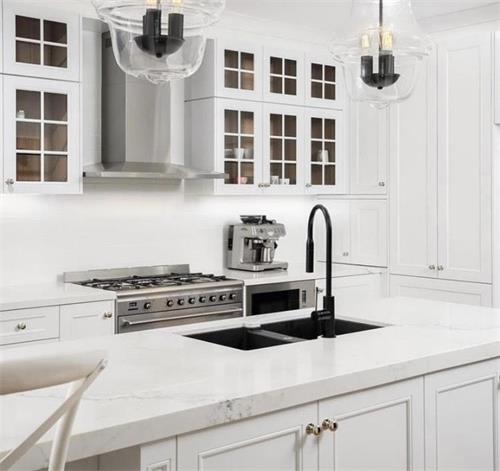
Matte is the engineered-stone counterpart to honed natural stone, and the two are often confused. Quartz slabs are cast with a resin binder, and the matte version skips the final gloss polishing stage, leaving a soft, even surface with no directional grain.
Matte quartz keeps the non-porous, stain-resistant core of engineered stone while removing glare — a strong fit for large islands and backlit feature walls where reflections would be distracting. It is not, however, a slip-resistance upgrade for floors, and matte finishes on dark colours can show smudges where a polished face would not.
Leathered finishes are produced with diamond brushes that travel across the slab, lifting the softer minerals and leaving a soft, undulating, leather-like texture. The stone keeps its colour but gains a tactile, slightly rustic surface that hides fingerprints, water rings, and light scratches exceptionally well.
Leathered granite and quartzite are popular for outdoor kitchens, bar tops, and heavy-use work surfaces because water beads and evaporates instead of sheeting. On very porous or soft stones, brushing can open the surface and require more regular sealing.
| Finish | Sheen | Slip resistance | Hides scratches | Hides etching | Typical use | Relative cost |
|---|---|---|---|---|---|---|
| Polished | High (80–95 GU) | Lowest | Poor | Poor on calcite stone | Countertops, interior walls, vanities | Baseline |
| Honed | Low (under 20 GU) | Moderate | Good | Good | Floors, bathroom surfaces, marble worktops | Slight premium |
| Matte (engineered) | Low, no glare | Moderate | Good | Not applicable (non-porous) | Islands, feature walls, minimalist interiors | Similar to polished |
| Leathered | Textured, low gloss | Good | Excellent | Good | Outdoor kitchens, bar tops, work surfaces | Slight premium |
| Flamed / bush-hammered | Rough | Highest | Excellent | Fair | Exterior paving, stairs, wet zones | Varies |
Slip resistance is a measured property, not a marketing adjective. Common references include DCOF (Dynamic Coefficient of Friction) under ANSI A326.3, the pendulum test method referenced in AS 4586 / AS 3661.1 for Australian projects, and R-classification ramp testing used widely in Europe. Regulations and minimum thresholds differ by market, so the finish must be specified against the local requirement rather than copied from another project.
As a rule: polished interiors are for dry, controlled areas; honed suits dry-to-damp interiors; leathered, flamed, and bush-hammered finishes belong wherever water, grease, or slope are present.
Dark polished stones are the most revealing surface in a project. Any finish with texture or low sheen — honed, matte, leathered — will look newer for longer on a busy work surface.
Finishing changes perceived colour. A polished slab reads darker and more saturated; the same stone honed or leathered reads lighter, softer, and more "natural." When approving samples, always approve them in the specified finish, in the lighting of the final installation.
1. State the finish in writing on the order — "polished," "honed," "matte," and "leathered" are not interchangeable. 2. Define the finish numerically where it matters: target gloss range, or the slip-resistance class required by the project's jurisdiction. 3. Approve a physical control sample in the correct finish and retain it for the life of the project. 4. Confirm that the whole order will be finished on the same line and in the same sequence to avoid sheen variation between bundles. 5. Protect finished faces in transit — polished and honed surfaces ship face-to-face with interleaving, and leathering should never be used as an excuse for thinner packaging. 6. Confirm sealing requirements for textured natural stone before installation, not after.
Is honed stone less durable than polished stone? The stone itself is identical; only the surface is different. Honed finishes hide day-to-day wear better, which is why busy floors are usually honed while polished surfaces are reserved for vertical or low-traffic areas.
Can engineered quartz be honed or leathered? Quartz is offered in polished and matte/low-sheen finishes. Because the surface is resin-bound quartz rather than natural crystal, leathered and flamed textures are generally not applicable.
Which finish is best for outdoor stone? Leathered, flamed, or bush-hammered. Polished surfaces become slippery when wet and can lose their gloss under UV and weather exposure.
Does finish affect price? Modestly. Honed, matte, and leathered finishes add machining time and slightly higher material loss, typically a small premium over polished. The larger cost driver is stone selection and fabrication, not finish.
Can a polished floor be changed to honed later? Yes. Honing is a mechanical process performed on site or in a workshop, but it is a project in itself. Specifying the finish correctly up front is cheaper than reworking it later.
Do matte surfaces stain more easily? On porous natural stone, texture can hold residue, so sealing intervals are shorter. On non-porous engineered quartz, matte finishes keep the same stain resistance as polished ones.
YDL Stone supplies engineered quartz, granite, marble, quartzite, and travertine blocks, slabs, and cut-to-size pieces in polished, honed, matte, leathered, and flamed finishes. Slabs are finished in controlled batches, inspected against retained control samples, and packed face-to-face for export, with finish and slip-resistance documentation available for commercial and hospitality projects.
Send your drawings and finish requirements to our project team for a material recommendation and quotation.